How Often Should You Service Your Furnace? A Homeowner’s Maintenance Guide
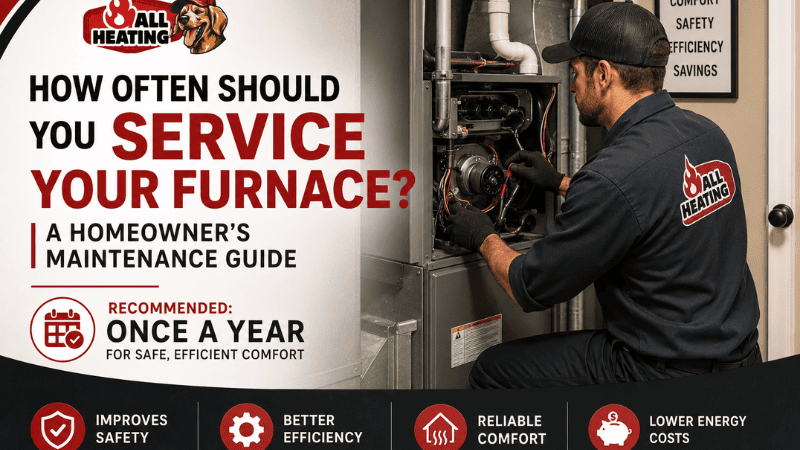
Most homeowners should schedule furnace maintenance once a year, ideally in early fall before the heating season begins. An annual furnace tune up helps improve energy efficiency, extends the lifespan of your heating system, reduces the risk of unexpected breakdowns, and keeps your home safe. While homeowners can handle basic tasks like replacing air filters, professional inspections and cleaning are essential for reliable and efficient furnace performance.
Why Furnace Maintenance Matters
It is easy to forget about your furnace when it is working perfectly. However, ignoring your heating system until it stops working can lead to costly mistakes. Regular HVAC maintenance keeps the internal components clean and well-lubricated.
When dust and debris build up inside the system, the furnace has to work much harder to push warm air through your home. This extra strain leads to premature wear and tear.
Most importantly, routine checks protect your household’s safety. Furnaces burn fuel to produce heat. If the system has a cracked component or a blocked vent, it can leak dangerous gases into your living spaces. Regular inspections catch these hazards before they become a threat.
Regular HVAC maintenance provides several long-term benefits.
Improves Furnace Efficiency
A clean and properly adjusted furnace heats your home more effectively while using less energy. Dirty burners, clogged filters, and restricted airflow force the system to run longer, increasing utility costs.
Routine servicing helps maintain excellent furnace efficiency, keeping heating costs under control.
Prevents Unexpected Breakdowns
Many emergency furnace repairs begin with small issues that could have been detected during routine maintenance.
Professional inspections help:
- Find worn or damaged parts
- Tighten loose electrical connections
- Detect airflow problems
- Identify ignition issues
- Reduce the chance of system failure
Regular service helps prevent furnace breakdown during the coldest months when you rely on your heating system the most.
Extends Equipment Lifespan
Replacing a furnace is a significant investment. Annual maintenance reduces wear on major components and helps your equipment last longer.
A well-maintained furnace can often operate efficiently for 15 to 20 years or even longer with consistent care.
Improves Indoor Air Quality
Dust and debris inside your furnace can circulate throughout your home.
Regular cleaning and filter replacement help reduce:
- Dust
- Pet dander
- Allergens
- Airborne particles
Cleaner equipment contributes to healthier indoor air.
Keeps Your Home Safe
Gas furnaces produce combustion gases that must vent safely outdoors.
A professional furnace inspection includes safety testing that helps detect:
- Gas leaks
- Cracked heat exchangers
- Carbon monoxide risks
- Ventilation problems
These inspections provide peace of mind throughout the heating season.
Recommended Furnace Service Schedule
One of the most common questions homeowners ask is, “How often should my furnace be serviced?”
The answer is simple.
Schedule Professional Maintenance Once Every Year
Experts recommend scheduling professional furnace maintenance once each year.
The ideal time is:
- Late summer
- Early fall
- Before temperatures begin to drop
Servicing your furnace before winter ensures it’s ready for months of continuous operation.
Benefits of Annual Tune-Ups
Investing in an annual furnace tune-up offers several major benefits for your home and your wallet:
- Prevent Furnace Breakdown: No one wants their heat to go out in the middle of a blizzard. Annual checks catch weak parts before they snap, saving you from freezing emergencies.
- Lower Energy Bills: Clean, well-calibrated furnaces use less energy. Better furnace efficiency directly translates to lower monthly utility bills.
- Longer Equipment Lifespan: A well-maintained heating system lasts significantly longer than a neglected one. This saves you thousands of dollars in early replacement costs.
- Valid Warranty: Many furnace manufacturers require proof of regular professional maintenance to keep your warranty valid. If a part breaks and you haven’t serviced the system, you might have to pay for it entirely out of pocket.
DIY vs Professional Furnace Maintenance
Some maintenance tasks are safe for homeowners, while others require professional training.
Knowing the difference protects both your furnace and your family.
What Homeowners Can Do
Homeowners can safely perform several basic maintenance tasks.
These include:
- Replacing air filters
- Keeping vents clear
- Cleaning around the furnace
- Checking thermostat batteries
- Removing dust near registers
- Watching for unusual sounds
These simple steps help your furnace operate more efficiently between professional visits.
What Should Be Left to Professionals
Professional technicians have specialized tools and training to inspect critical furnace components safely.
They perform services like:
- Gas pressure testing
- Electrical testing
- Heat exchanger inspection
- Ignition system testing
- Burner adjustment
- Combustion analysis
- Carbon monoxide testing
- Complete furnace inspection
These procedures require experience and should never be attempted without proper knowledge.
Why Professional Maintenance Is Worth It
Although replacing a filter is simple, many furnace problems develop inside components homeowners cannot safely inspect.
Professional maintenance helps identify:
- Worn blower motors
- Weak capacitors
- Failing ignitors
- Loose wiring
- Gas leaks
- Ventilation issues
Finding these problems early often prevents larger repair bills later.
Signs Your Furnace Needs Immediate Service
Even if you recently completed your regular heating system maintenance, certain warning signs should never be ignored.
Call a qualified HVAC technician if you notice:
- Furnace blowing cold air
- Burning smells
- Loud banging or grinding noises
- Yellow burner flame instead of blue
- Short cycling
- Rising heating bills
- Poor airflow
- Uneven heating
- Frequent system resets
These symptoms often indicate problems that require professional attention.
Tips to Keep Your Furnace Running Efficiently
A few simple habits can help maintain performance throughout the heating season.
- Replace air filters regularly.
- Keep furniture away from supply vents.
- Vacuum dust around return air vents.
- Keep the furnace area clean.
- Test your thermostat periodically.
- Schedule annual professional maintenance before winter.
- Install carbon monoxide detectors throughout your home.
- Don’t ignore unusual noises or smells.
Small maintenance habits can significantly improve system reliability.
Frequently Asked Questions
How often should a furnace be serviced?
Most manufacturers and HVAC professionals recommend professional furnace maintenance once every year, preferably before the heating season begins.
What happens during a furnace tune-up?
A typical tune-up includes cleaning burners, checking electrical connections, inspecting the heat exchanger, testing safety controls, replacing or inspecting filters, checking airflow, calibrating the thermostat, and performing carbon monoxide testing.
Can maintenance reduce energy bills?
Yes. A clean, properly adjusted furnace runs more efficiently and uses less energy, which can lower monthly heating costs over time.
Is furnace maintenance worth it?
Absolutely. Routine maintenance helps improve efficiency, reduce repair costs, extend equipment life, and increase home safety while lowering the risk of unexpected furnace failures.
How long does a furnace inspection take?
Most professional inspections and tune-ups take between 60 and 90 minutes, depending on the condition and size of the heating system.
Can I maintain my furnace myself?
You can perform basic tasks like replacing air filters, keeping vents clean, and checking thermostat settings. However, inspections, safety testing, burner cleaning, and gas system adjustments should always be handled by a qualified HVAC professional.
Keep Your Furnace Ready for Every Heating Season
Regular furnace maintenance is one of the smartest investments you can make as a homeowner. Scheduling an annual furnace tune up helps improve efficiency, lowers energy costs, extends the life of your heating system, and reduces the risk of unexpected breakdowns during cold weather. While simple maintenance tasks like changing filters can be done at home, professional inspections provide the thorough cleaning, testing, and safety checks your furnace needs to perform at its best.
If it’s been more than a year since your last furnace inspection, now is the perfect time to schedule service. A trusted HVAC professional can ensure your heating system is clean, safe, and ready to keep your home comfortable all winter long.
