
Heat Pump vs Furnace: Which Heating System Is Best for Your Home in 2026?
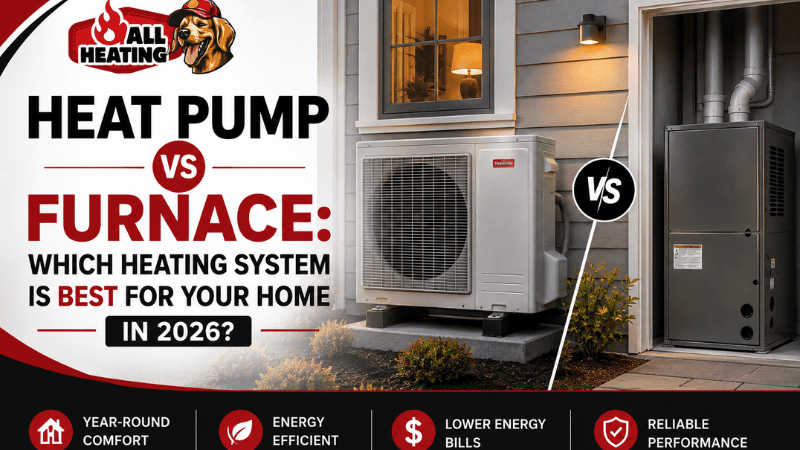
Choosing between a heat pump vs furnace depends on your climate, energy source, budget, and long-term heating goals. Heat pumps provide both heating and cooling while offering excellent heat pump efficiency, making them a great choice for mild to moderate climates. Furnaces, especially natural gas models, deliver powerful heat during freezing temperatures and are often preferred in colder regions. Understanding the differences in cost, efficiency, maintenance, and performance will help you choose the best heating system for your home in 2026.
When it’s time to replace your home’s heating system, one of the biggest decisions you’ll face is choosing between a heat pump and a furnace. Both systems keep your home comfortable during winter, but they work in different ways and offer unique advantages.
The right choice isn’t always about which system is newer or more popular. Instead, it depends on factors like your local climate, energy prices, your home’s layout, and your long-term budget.
In this guide, we’ll compare heat pump vs furnace performance, installation costs, energy efficiency, operating expenses, and maintenance requirements so you can make an informed decision.
How Heat Pumps and Furnaces Work?
Although both systems heat your home, they use completely different methods.
A heat pump transfers heat from the outdoor air into your home rather than generating heat directly. Even during cooler weather, outdoor air contains heat energy that the system can capture and move indoors. During summer, the process reverses, allowing the system to cool your home as well.
Because it provides both heating and cooling, an electric heat pump eliminates the need for separate air conditioning equipment in many homes.
A furnace, on the other hand, creates heat by burning natural gas, propane, or heating oil, or by using electric heating elements. The heated air is then distributed throughout your home using ductwork.
If you’re comparing home heating options, it’s important to remember that a heat pump works year-round, while a furnace only provides heat.
Cost Comparison Between Heat Pumps and Furnaces
The total cost of a heating system includes more than the purchase price. Installation, monthly energy use, maintenance, and future repairs all contribute to long-term ownership costs.
Initial Installation Costs
When comparing furnace vs heat pump cost, installation prices vary depending on several factors, including:
- Home size
- Existing ductwork
- Electrical upgrades
- Equipment capacity
- Local labor rates
In general:
- Gas furnaces often have a lower equipment cost if your home already has a gas connection.
- Heat pumps may require a higher upfront investment, especially if electrical upgrades are needed.
- Homes without existing gas service may find a heat pump more practical because it avoids installing new gas lines.
If you’re replacing both your furnace and air conditioner, installing a heat pump can sometimes be more cost-effective because one system performs both functions.
Monthly Energy Costs
Monthly operating costs depend on:
- Local electricity prices
- Natural gas prices
- Outdoor temperatures
- Home insulation
- System efficiency
A high-efficiency heat pump usually consumes less energy than traditional electric resistance heating because it moves heat instead of producing it.
However, in areas with extremely cold winters, a gas furnace may remain less expensive to operate if natural gas prices are low.
This is why comparing furnace vs heat pump cost should include both installation and long-term utility expenses rather than focusing only on the purchase price.
| Cost Factor | Heat Pump | Furnace |
| Initial Installation | May have a higher upfront cost, especially if electrical upgrades are required. | Often costs less to install if the home already has a natural gas connection. |
| Monthly Energy Costs | Generally lower in mild to moderate climates due to high heat pump efficiency. | Can be more affordable to operate in colder climates where natural gas prices are low. |
| Cooling System Needed | No. A heat pump provides both heating and cooling in one system. | Yes. A separate central air conditioner is needed for cooling. |
| Maintenance | Requires year-round maintenance since it operates in both heating and cooling modes. | Typically requires annual maintenance before the heating season. |
Energy Efficiency and Operating Costs
One of the biggest reasons homeowners choose heat pumps is their outstanding energy performance.
Heat Pump Efficiency
Modern heat pumps are designed to deliver high levels of energy efficient heating while using less electricity than many conventional heating systems.
Instead of creating heat, they transfer existing heat from outside to inside. This process allows them to produce more heating energy than the electrical energy they consume under many operating conditions.
According to the U.S. Department of Energy, heat pumps can significantly reduce electricity use compared with electric resistance heating in suitable climates. (Anchor: “U.S. Department of Energy heat pump guide”)
Many newer models also use inverter technology that automatically adjusts heating output instead of constantly turning on and off. This helps maintain consistent indoor temperatures while reducing energy consumption.
Environmental Impact
If reducing your home’s environmental impact is important, a heat pump has several advantages.
Because an electric heat pump doesn’t burn fuel inside your home, it produces no direct on-site emissions during operation.
As electricity grids continue to include more renewable energy sources, heat pumps become even more environmentally friendly over time.
Gas furnaces still remain an efficient heating solution, particularly high-efficiency condensing models, but they produce emissions during operation because they burn fuel.
Homeowners focused on sustainability often choose heat pumps as part of a broader effort to reduce household energy use.
Which System Is Right for Your Home?
There isn’t a single answer that works for every homeowner.
The best heating system depends on where you live, your comfort preferences, and your home’s existing infrastructure.
Climate Considerations
Climate is one of the most important factors when choosing between a heat pump and a furnace.
A heat pump performs exceptionally well in:
- Mild winters
- Moderate climates
- Regions with lower heating demands
Many modern cold-climate heat pumps also perform reliably in freezing temperatures, making them suitable for a wider range of locations than older models.
Gas furnaces are often preferred in areas that experience extended periods of sub-freezing temperatures because they can deliver high heating output regardless of outdoor conditions.
If your winters are harsh, a dual-fuel system that combines a heat pump with a gas furnace may provide the best balance of comfort and efficiency.
Maintenance Requirements
Routine maintenance helps both systems operate efficiently.
Heat pump maintenance typically includes:
- Cleaning or replacing air filters
- Checking refrigerant levels
- Cleaning outdoor coils
- Inspecting electrical components
- Testing thermostat operation
Furnace maintenance usually involves:
- Replacing filters
- Inspecting burners
- Cleaning the heat exchanger
- Checking gas connections
- Testing safety controls
Because heat pumps provide both heating and cooling, they generally run throughout the year and may require more frequent inspections.
Annual professional heating maintenance is recommended regardless of which system you choose.
Lifespan Expectations
Both systems can provide reliable performance for many years when properly maintained.
In general:
- Gas furnaces often last 15–20 years or longer.
- Heat pumps typically last 10–15 years, although some high-quality systems exceed this with regular maintenance.
Actual lifespan depends on installation quality, usage, climate, and routine servicing.
Choosing professional installation and scheduling annual maintenance can significantly extend the life of either system.
| Your Situation | Recommended System | Why It May Be the Better Choice |
| Need both heating and cooling | Heat Pump | Provides year-round comfort by handling both heating and air conditioning in one system. |
| Live in a region with very cold winters | Furnace | Delivers consistent, powerful heat even during extended periods of freezing temperatures. |
| Live in a mild or moderate climate | Heat Pump | Offers excellent heat pump efficiency and lower energy consumption in moderate weather. |
| Home already has a natural gas connection | Furnace | Can be a more practical and cost-effective option without needing major utility upgrades. |
| Want to reduce your home’s carbon footprint | Heat Pump | Uses electricity instead of burning fuel on-site, making it a more environmentally friendly heating option. |
| Looking for lower long-term energy use | Heat Pump | High-efficiency models can help reduce energy consumption compared to many traditional heating systems. |
| Replacing both your heating and cooling system | Heat Pump | Combines heating and cooling into one unit, eliminating the need for a separate air conditioner. |
Which Heating System Offers Better Value?
When comparing heat pump vs furnace, think beyond the initial purchase price.
A heat pump may be the better investment if you:
- Need both heating and cooling
- Live in a moderate climate
- Want lower electricity consumption
- Prefer a lower environmental impact
A furnace may be the better choice if you:
- Live in an area with long, severe winters
- Already have natural gas service
- Prioritize powerful heating during extreme cold
- Prefer a heating-only system
Many homeowners also benefit from hybrid heating systems that automatically switch between a heat pump and furnace depending on outdoor temperatures.
FAQs
Is a heat pump cheaper to run than a furnace?
In many mild and moderate climates, yes. Heat pumps are highly energy efficient because they transfer heat instead of generating it. However, operating costs also depend on local electricity and natural gas prices.
Which system lasts longer?
Gas furnaces generally have a slightly longer average lifespan than heat pumps. With proper maintenance, both systems can provide reliable heating for many years.
Do heat pumps work in cold climates?
Yes. Modern cold-climate heat pumps are designed to perform efficiently even in freezing temperatures, although extremely cold regions may still benefit from supplemental heating.
Are heat pumps worth the investment?
For many homeowners, yes. A heat pump provides both heating and cooling, offers excellent energy efficiency, and can reduce long-term operating costs in suitable climates.
What is the most energy-efficient heating option?
Among common residential systems, modern heat pumps are considered one of the most energy efficient heating solutions because they move heat rather than create it.
Can I replace my furnace with a heat pump?
Yes. Many homeowners replace older furnaces with heat pumps, provided their home’s electrical system and climate are suitable for this type of installation. A professional HVAC assessment can determine the best solution.
Making the Right Heating Choice for Your Home
Choosing between a heat pump vs furnace comes down to your home’s needs, local climate, energy costs, and long-term goals. Heat pumps offer year-round comfort and impressive efficiency, while furnaces provide dependable heating during the coldest weather. By comparing installation costs, operating expenses, maintenance, and performance, you can confidently select the system that delivers the best value for your home.
If you’re considering upgrading your heating system, All Heating Services can help you evaluate your options and recommend the right solution based on your home’s size, comfort needs, and budget. Contact our team today to schedule a professional heating consultation.
