
How Homeowners Can Save Money with Smart Thermostats
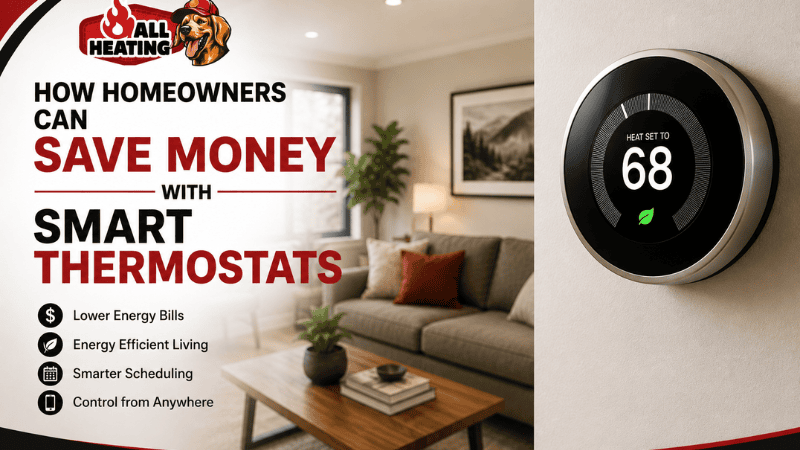
One of the biggest smart thermostat benefits is lower heating and cooling costs. Smart thermostats automatically adjust your home’s temperature based on your schedule, occupancy, and preferences, helping reduce wasted energy. Many homeowners save on utility bills while enjoying improved comfort, greater HVAC efficiency, and convenient control from anywhere using a smartphone.
Heating and cooling account for a large portion of a home’s energy use. If your HVAC system runs longer than necessary, your monthly utility bills can increase without providing additional comfort.
That’s where smart thermostats make a difference. Unlike traditional thermostats, smart thermostats learn your habits, adjust temperatures automatically, and give you complete control over your home’s climate, even when you’re away.
Whether you’re upgrading an older thermostat or building a connected home, understanding the advantages of smart thermostat technology can help you make an informed decision.
In this guide, we’ll explain how smart thermostats save energy, the features worth considering, and whether they’re a worthwhile investment for your home.
What Is a Smart Thermostat?
A smart thermostat is a Wi-Fi-enabled device that automatically controls your home’s heating and cooling system. It connects to your home’s internet network, allowing you to manage temperatures using a smartphone, tablet, or voice assistant.
Unlike a traditional thermostat, a smart thermostat can learn your daily routine, adjust temperatures based on occupancy, and optimize your HVAC system for better performance.
Many models also work as part of a smart home HVAC system, integrating with other connected devices to improve comfort and convenience.
Some common capabilities include:
- Automatic scheduling
- Remote temperature control
- Energy usage tracking
- Maintenance reminders
- Voice assistant compatibility
- Home automation integration
These features work together to reduce energy waste while keeping your home comfortable throughout the year.
Ways Smart Thermostats Save Energy
One of the primary smart thermostat benefits is reducing unnecessary heating and cooling.
Instead of running your HVAC system all day, smart thermostats make small adjustments that lower energy use without sacrificing comfort.
Learning Schedules
Many smart thermostats learn your daily routine over time.
For example, they recognize when you:
- Leave for work
- Return home
- Go to bed
- Wake up
Instead of heating or cooling an empty house, the thermostat automatically adjusts temperatures based on your habits.
This intelligent scheduling improves thermostat energy savings while keeping your home comfortable when you need it.
Remote Access
Forgot to turn down the heat before leaving?
No problem.
Smart thermostats allow you to control your HVAC system from almost anywhere using a mobile app.
Remote access lets you:
- Change the temperature
- Turn the system on or off
- Adjust schedules
- Monitor indoor conditions
Whether you’re at work or on vacation, you stay in control.
Energy Reports
Many smart thermostats provide detailed reports showing how much energy your heating and cooling system uses.
These reports often include:
- Daily energy usage
- Weekly trends
- Monthly comparisons
- Suggestions for improving efficiency
Understanding your energy habits makes it easier to identify opportunities to reduce utility bills.
Geofencing Features
Geofencing uses your smartphone’s location to determine when you’re leaving or returning home.
When everyone leaves, the thermostat automatically adjusts to an energy-saving temperature.
As you return, it begins heating or cooling your home before you arrive.
This feature eliminates unnecessary HVAC operation while maintaining comfort.
Better HVAC Efficiency
By avoiding constant temperature swings, smart thermostats help improve overall HVAC efficiency.
Instead of frequent starts and stops, your system operates more consistently, reducing wear on equipment and helping extend its lifespan.
Features Homeowners Should Look For
Not every smart thermostat offers the same capabilities.
Before purchasing one, consider which features will provide the most value for your home.
Maintenance Alerts
Many smart thermostats notify you when your HVAC system needs attention.
Alerts may remind you to:
- Replace air filters
- Schedule seasonal maintenance
- Check batteries
- Inspect system performance
Regular maintenance keeps your heating and cooling equipment running efficiently.
Compatibility Considerations
Before buying a thermostat, verify that it’s compatible with your HVAC equipment.
Some systems require specific wiring or additional accessories.
Check compatibility with:
- Gas furnaces
- Heat pumps
- Central air conditioners
- Multi-stage HVAC systems
- Dual-fuel systems
- Variable-speed equipment
If you’re unsure, an HVAC professional can recommend the right model.
Easy Scheduling
A quality programmable thermostat should make scheduling simple.
Look for features like:
- Daily schedules
- Weekly schedules
- Vacation mode
- Holiday settings
- Temporary overrides
Flexible scheduling helps reduce unnecessary energy use throughout the year.
Home Automation Integration
Many homeowners appreciate smart thermostats because they fit into larger home automation systems.
Depending on the model, your thermostat may work with:
- Smart speakers
- Voice assistants
- Smart lighting
- Smart locks
- Connected security systems
This creates a more convenient and efficient home environment.
Is a Smart Thermostat Worth It?
For many homeowners, the answer is yes.
While smart thermostats cost more than traditional models, the long-term benefits often outweigh the initial investment.
A smart thermostat may be worthwhile if you:
- Have high heating or cooling bills
- Spend long hours away from home
- Travel frequently
- Want better control over indoor comfort
- Plan to stay in your home for several years
The combination of energy savings, convenience, and improved HVAC performance makes smart thermostats an excellent upgrade for many households.
Smart Thermostat Installation
Many homeowners wonder whether they should install the device themselves.
Some smart thermostats are designed for DIY installation and include step-by-step instructions.
However, professional smart thermostat installation is recommended if:
- Your wiring is outdated.
- Your HVAC system is complex.
- You have a heat pump or multi-stage system.
- You’re unsure about electrical connections.
Professional installation ensures the thermostat is configured correctly and works efficiently with your heating and cooling equipment.
Additional Tips for Maximum Energy Savings
Installing a smart thermostat is only part of the solution.
To maximize savings:
- Replace HVAC filters regularly.
- Schedule annual HVAC maintenance.
- Seal air leaks around windows and doors.
- Keep vents open and unobstructed.
- Use ceiling fans to improve air circulation.
- Set reasonable temperature schedules instead of making frequent manual changes.
These habits work together with your thermostat to improve energy efficiency.
Frequently Asked Questions
How much can a smart thermostat save?
Savings vary depending on your home’s size, climate, and heating habits. Many homeowners notice lower heating and cooling costs because smart thermostats reduce unnecessary HVAC operation.
Do smart thermostats work with all furnaces?
Most smart thermostats work with many modern furnaces, but not every HVAC system is compatible. Always check compatibility before purchasing.
Can I install one myself?
Many homeowners can install a smart thermostat themselves if the wiring is compatible. However, professional installation is recommended for complex HVAC systems or if you’re unsure about the wiring.
Are smart thermostats worth the cost?
Yes. For many households, the energy savings, improved comfort, convenience, and better HVAC efficiency make a smart thermostat a worthwhile investment over time.
Which thermostat features matter most?
The most valuable features include learning schedules, remote access, energy reports, geofencing, maintenance alerts, and compatibility with your HVAC system and smart home devices.
Do smart thermostats improve comfort?
Yes. Smart thermostats maintain more consistent indoor temperatures, automatically adjust based on your schedule, and help ensure your home is comfortable when you’re there while avoiding wasted energy when you’re away.
Upgrade Your Comfort While Lowering Energy Costs
The biggest smart thermostat benefits go beyond convenience. These devices help improve HVAC efficiency, reduce unnecessary energy use, and make managing your home’s comfort easier than ever. Features like learning schedules, remote access, geofencing, and maintenance alerts work together to optimize your heating and cooling system while helping reduce utility bills throughout the year.
If you’re looking for a simple way to improve your home’s energy efficiency, a smart thermostat is a worthwhile upgrade. Pair it with regular HVAC maintenance and professional installation when needed to get the best performance, reliable comfort, and long-term savings from your heating and cooling system.
